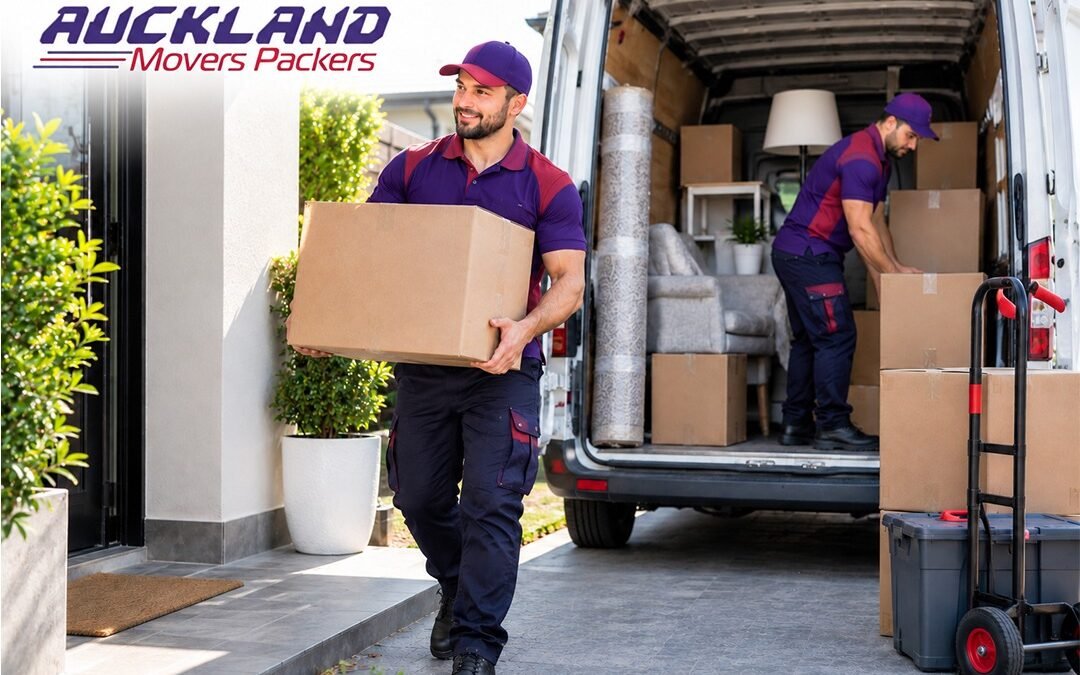
When the concept of moving, nobody really misses packing once the move is over. It starts predictably enough with a few boxes and somehow ends with heavy furniture, emptied cupboards, and drawers turned from right side up to upside down, and things start showing up that you forgot you owned. The trick is not to pack faster. It is to make fewer mistakes while you are doing it. A bit of planning before moving, and reliable Movers And Packers Auckland can save lots of time and frustration when you reach the new house.
Don’t Wait For The Last Minute.
I will do it later approach works until moving day suddenly feels very close, and you haven’t even started. When you take a tour of your home and find the kitchen has to be packed, the wardrobe is still full of clothes, and there are some random drawers nobody has touched in years.
So don’t wait for the last minute to pack. Start with the things you rarely use makes the job feel less stressful. There is another benefit to starting early: you have time to decide whether everything really deserves a place in the new home.
An easy place to begin
- Winter clothes can go first if it is summer.
- Books and decorations rarely need to stay out.
- Empty the spare room before tackling the kitchen.
- Keep one box aside for things you discover at the last minute.
- Write the destination room on the box straight away.
- Leave daily essentials alone until the end.
Don’t Pack Things You Don’t Want.
Moving is a good excuse to be honest about what items you really need and what is sitting unused. That wooden furniture that is totally damaged, the clothes that no longer fit, and the drawer full of mystery all take up space in a moving truck.
Before packing, discard the items you don’t need. It might sound simple or even unnecessary. But moving the items you don’t really need doesn’t make any sense. After removing such items, the phase of packing and loading the things feels much smoother and less stressful.
Pay particular attention to
- Clothes you no longer wear.
- Duplicate kitchen items.
- Old paperwork.
- Broken household goods.
- Unwanted decorations.
- Children’s things they have outgrown.
Fragile Items Deserve More Care.
Putting a piano, a pole table, and a wine glass inside any random box does not automatically make it safe. If it can be displaced from its position inside the box, it can collide with something another items during transport and be damaged. Now the replacement cost of that item will burden your pocket. Whenour movers and packers auckland wrap, pack, and leave no space in the box, sensitive items are much safer and cannot rattle around.
Professional Movers And Packers understand every detail about handling and carrying items. They pack fragile items correctly and keep everything safe. Ensure fragile items never collide with one another.
Try this when packing delicate belongings
- Properly pack fragile items.
- Fill gaps with suitable soft packing material like a blanket.
- Do not overfill boxes.
- Use strong wooden boxes for particularly heavy items.
- Mention the fragile items.
Keep Essential Items In A Separate Bag.
One of the strangest parts of moving is that sometimes people hurriedly pack everything in bags, even the items they need every day. Arriving at the new place and realise that the items are now damaged by an underneath heavy object. You can avoid that completely by keeping a small bag with you.
And Movers and Packers Auckland also gave this practical advice, not because they are running from work, but because they also know the importance of property papers, office work, passports, and other important documents.
Put the essentials somewhere you can reach them
- Phone and laptop chargers.
- Basic medicines.
- Important documents.
- House keys.
- A change of clothes.
- Anything you think is necessary.
For Office Packing.
Office packing is different from house packing. At home, losing the kettle for a day is just annoying, but in the office, losing access to a computer or an important file can stop the whole office from working. There is client meeting data, financial records of companies, and other information that a company cannot afford to lose. That is why office packing needs a little more organisation than simply putting everything into the nearest carton.
If the office relocation is large, Office Removalists Auckland can take on much of the physical work while you can purely focus on your business and client meetings. A useful rule is to label before packing, so when the person opens the box later, they know exactly what is inside and where it is placed.
Before the first desk is moved
- Label boxes by department or room.
- Keep important documents together.
- Properly pack computers and make sure no space is left in the box.
- Protect screens and other delicate equipment.
- Pack the items in a systematic way.
- Avoid mixing unrelated office items in one box.
For Single Item Move.
Sometimes the situation is much smaller. You might have bought a piece of furniture from another part of Auckland. Just need to get it to your place or to some other spot. Hiring a full moving crew just for one item can feel like too much. It may not be worth the cost. For jobs like that, Single Item Furniture Movers NZ can be an option worth considering.
Before the furniture leaves
- Measure the item from every useful angle.
- Check the width of doorways.
- Look at stairs and tight corners.
- Remove shelves or loose parts if possible.
- Care more about less durable or easily scratched items.
- Make sure all paths and entrances are clear.
Loading is not the first part of moving nor packing. It starts by analyzing and separating the furniture you want to carry yourself from the items you decide to drop. Separating move items, keeping essentials with you, and packing items with proper labeling is almost half of the moving. And the rest of the work, like loading and transporting handover to Movers And Packers Auckland. This makes your move not only cost-effective but also makes your moving journey less stressful.